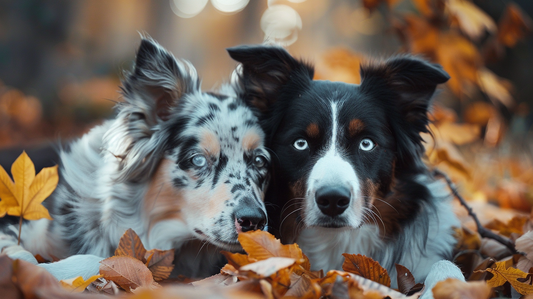
Most Affectionate Dog Breeds
Overview
Most Affectionate Dog Breeds
Affection in dogs is more than tail wagging. The most affectionate breeds actively seek physical contact — leaning, snuggling, draping themselves across laps, sleeping in your bed, and pressing close at every opportunity. This is a heritable trait, refined over centuries in companion breeds whose primary job was to provide warmth and emotional comfort.
For some owners, this level of devotion is the entire reason for getting a dog. For others — particularly those who travel often, work long hours, or want a more independent companion — it can be overwhelming. Choosing a highly affectionate breed is a lifestyle commitment: these dogs are happiest when they are physically with you, and they suffer noticeably when isolated.
Breeds
Top 10 Most Affectionate Dog Breeds


Considerations
The Velcro Dog Lifestyle
Highly affectionate breeds are sometimes called velcro dogs because they stick to their humans constantly. This is delightful but demands lifestyle accommodation: working from home, taking the dog along on outings, accepting bathroom audiences, and planning travel around dog-friendly options. If you regularly leave your home for 8+ hours, an extremely affectionate breed may not be the right fit.
Affectionate breeds are also more prone to separation anxiety. Cavaliers, Maltese, and Pomeranians in particular can develop destructive or vocal behaviors when left alone for long stretches. Crate training, doggy daycare, dog walkers, and enrichment toys are essential tools for maintaining a happy, balanced affectionate dog.
FAQ
Frequently Asked Questions
What is the most affectionate dog breed?
The Cavalier King Charles Spaniel is widely considered the most affectionate dog breed. Bred for centuries as a royal companion dog, the Cavalier's entire personality is oriented around physical and emotional closeness with humans.
Are affectionate breeds good with children?
Most are excellent with children, particularly Cavaliers, Goldens, Bichons, and Newfoundlands. Smaller affectionate breeds like Maltese and Yorkies can be fragile, so they suit households with older, gentle children.
Are affectionate dogs always cuddly?
Generally yes — affection in dogs is largely expressed through physical contact and proximity. However, individual personalities vary, and even within affectionate breeds you'll find dogs that are slightly more independent than the breed standard.
Do affectionate dogs experience separation anxiety?
They are more prone to it than independent breeds. Velcro dogs like Cavaliers, Maltese, and Pomeranians need gradual alone-time training, crate conditioning, and enrichment to handle workdays without distress.